

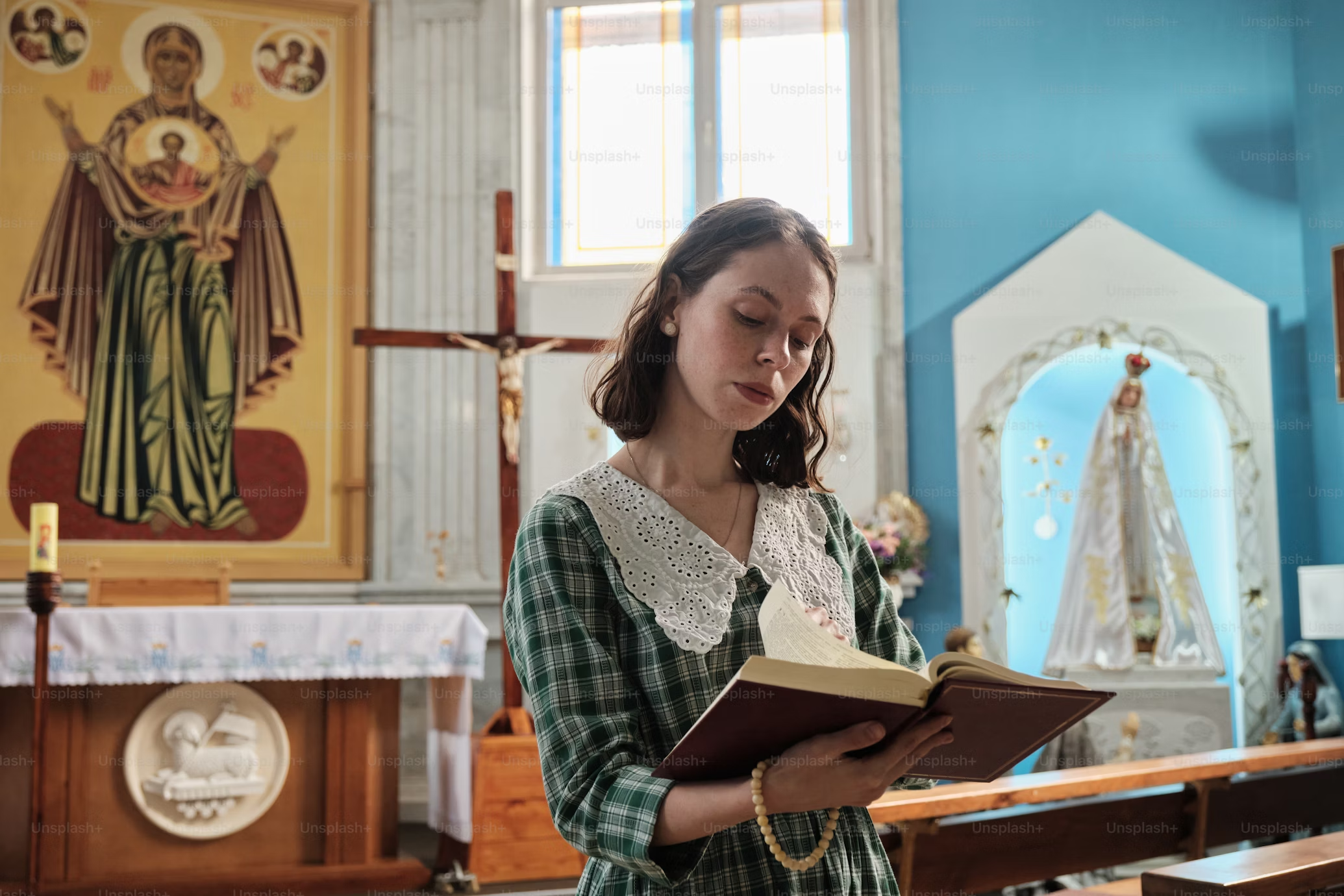

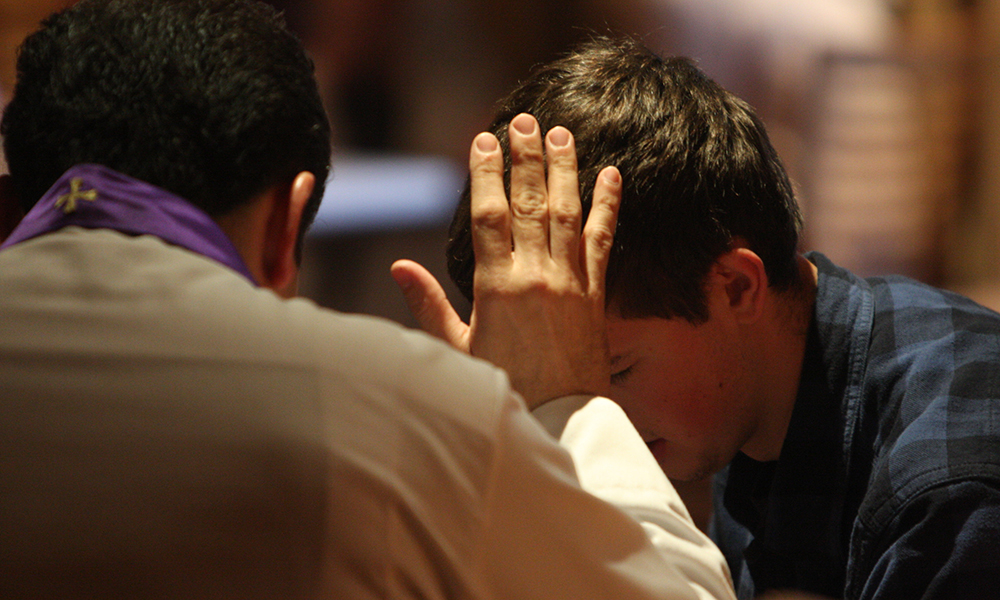


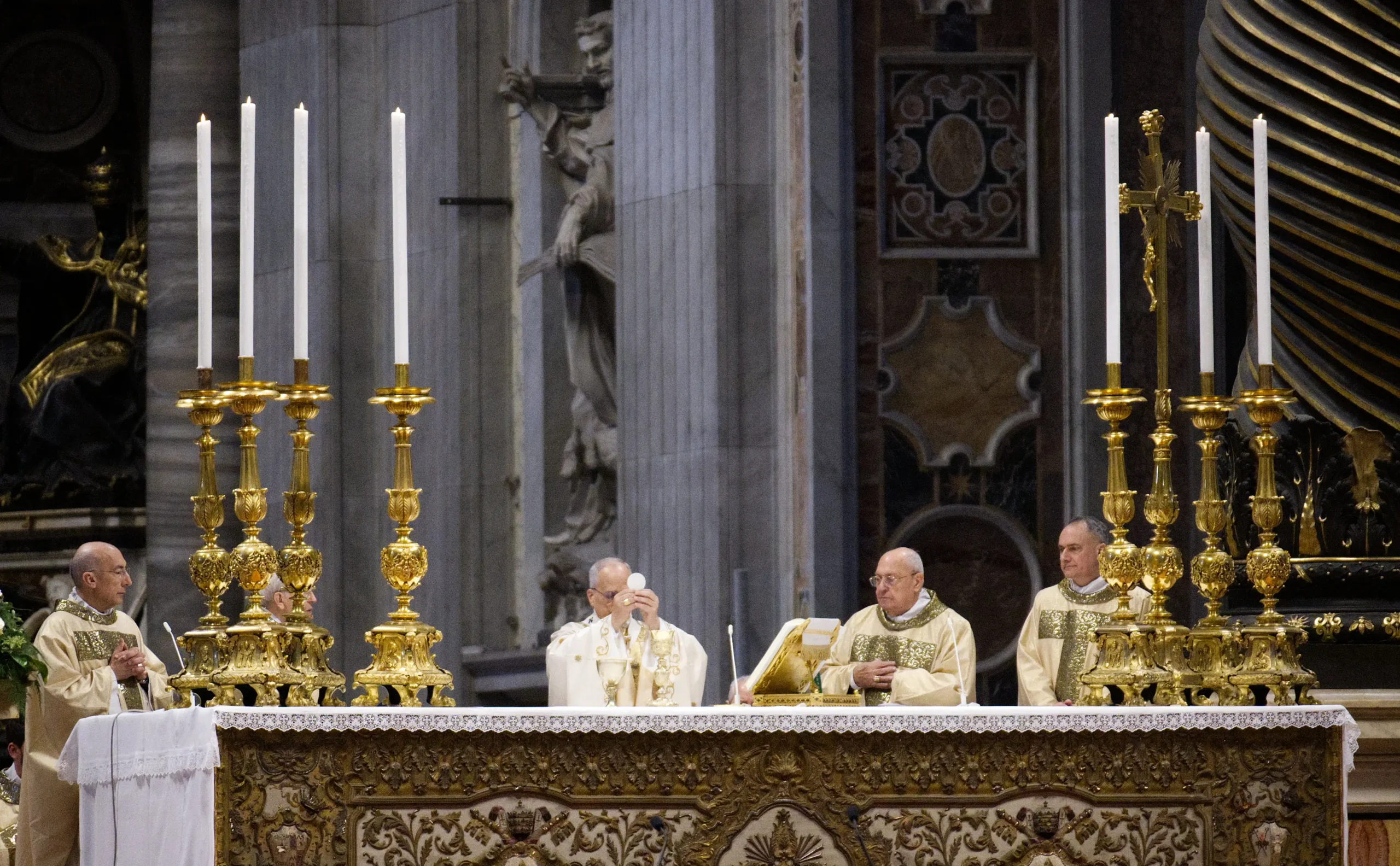
There is something profoundly beautiful in the desire of people to seek the healing touch of Christ. Healing services, Eucharistic adoration, retreats and special Masses can awaken faith, bring people back to prayer, and remind wounded hearts that Jesus Christ is alive and still touches His people.
Yet precisely here, good catechesis is necessary.
We must be careful not to create, even unintentionally, the impression that Christ is somehow more present in one place than another, or that a Mass celebrated at a healing service possesses a power that the Mass celebrated in our parishes does not. We also often attach a horrendous tag to Masses celebrated at a healing service by calling them a healing Mass, when every Mass celebrated by every priest is a healing Mass because of the real and true presence of God.
There are not different kinds of Eucharist. There is one Eucharist, because there is one God- Jesus Christ.
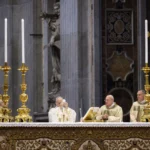
The Mass celebrated before thousands at a healing convention, and the Mass celebrated quietly in a small village church are the same Sacrifice of Christ made sacramentally present. The altar may be different. The music may be different. The celebrant may be different. The atmosphere and emotional experience may be different. But Christ is not different; therefore, the healing power is the same.
This is why the Church calls the Eucharist the “source and summit of the Christian life.” We do not come to Mass merely to seek something from Christ. We come first to worship God, to enter into the sacrifice of the Son to the Father, and then to receive the astonishing gift that flows from it: Christ Himself.
And where Christ gives Himself, healing is already present.
Here, however, we must also speak about faith. The power of the Eucharist does not depend upon the intensity of our feelings, nor does Christ become more present because a congregation is larger or more fervent. The Eucharist possesses its reality and power because Christ acts in it. Yet the fruit it bears in us depends greatly upon the disposition with which we receive Him. Again and again in the Gospel, Jesus encounters those who approach Him with faith: “Your faith has saved you.” The question, therefore, is not whether Christ is more powerful at a healing service than at our parish Mass. The question is whether we approach the Christ of our parish altar with the same expectant faith with which we seek Him elsewhere. Perhaps we sometimes experience more because, on those occasions, we expect more. Faith does not create the power of Christ, but faith opens the human heart to receive what Christ already desires to give.
Certainly, not every healing is physical, immediate or visible. Sometimes the deeper miracle is reconciliation. Sometimes it is strength to carry suffering. Sometimes it is freedom from bitterness, the grace to forgive, the courage to begin again, or simply the quiet certainty that one is not abandoned.
Perhaps this is one of the subtle dangers of our time. The danger lies not in any diminishment of the Eucharist, but in our perception of it. Our familiarity with the Eucharist changes us; it does not change the Eucharist. What becomes ordinary is not the mystery, but our response to the mystery. We may travel many kilometres seeking an extraordinary encounter with Jesus, while passing each Sunday the parish church where the same Christ waits for us upon the altar.
Healing services therefore have their proper and beautiful place in the life of the Church when they lead us more deeply to Christ. But they must never become a substitute for the ordinary sacramental life of the faithful. Authentic healing ministry must lead people towards the Eucharist, rather than create the impression that Christ’s healing grace depends upon a particular preacher, place, ministry or atmosphere. The source of the healing is Christ, and the Eucharist remains the privileged sacramental encounter with Christ who gives Himself to His people.
The same Jesus whom we seek in a great gathering comes to us in the parish Mass. The same Lord speaks through the Scriptures. The same Sacrifice of Calvary becomes present upon the altar. The same Body of Christ is placed into our hands or upon our tongue.
Perhaps what needs healing, then, is sometimes our own vision.
We need to rediscover what is already before us.
Every altar is a place of encounter.
Every Eucharist is Christ giving Himself.
Every Mass opens before us the mystery of the Cross and Resurrection.
We need not search endlessly for where Christ might be found.
He has already told us where He waits for us: “This is my body.” “This is my blood.”
Something to think about?
Do I truly believe that in the Eucharist I encounter the living Christ, who knows my wounds and desires my healing?
Do I come to Mass expecting to encounter Christ, or has familiarity made me forget the mystery taking place before me?
Am I seeking extraordinary signs from Christ while overlooking the extraordinary gift of Christ Himself upon the altar?